
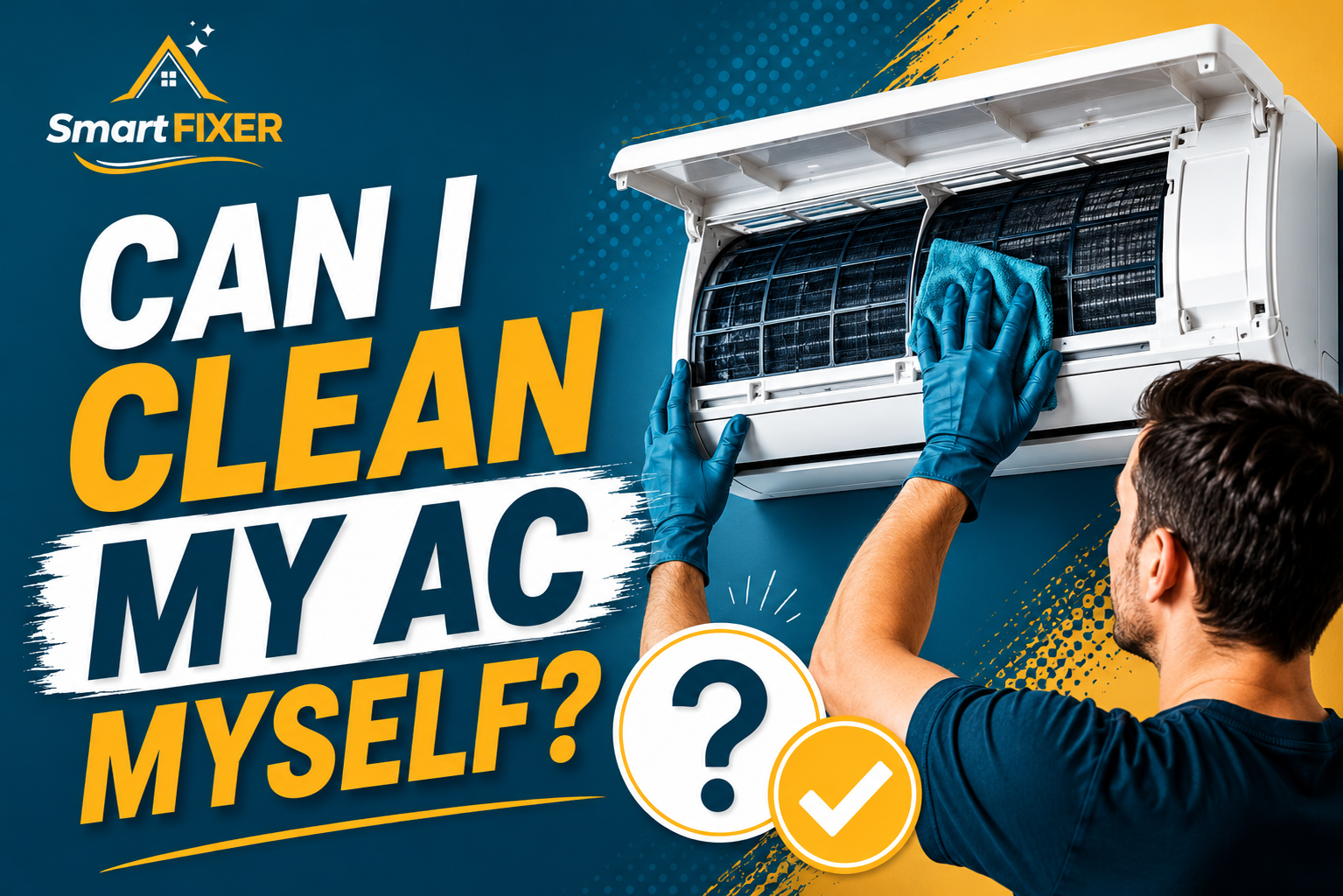
Keeping your air conditioner clean is important for better cooling, healthy indoor air, and lower electricity bills. Many homeowners often wonder if they can handle AC cleaning on their own without calling a professional. The answer is yes, but it depends on the condition of the unit and your understanding of How to clean AC yourself safely and properly.
A clean air conditioner works more efficiently and lasts longer. Dust, dirt, and clogged filters reduce airflow and force the system to work harder. Regular maintenance not only improves cooling performance but also helps avoid costly repairs in the future. While some cleaning tasks are simple enough to do at home, deeper servicing may still require expert assistance.
Understanding the right cleaning methods, tools, and safety precautions can help you maintain your AC in a better way. This guide explains everything you need to know about cleaning your air conditioner at home in an easy and practical manner.
Important Reasons To Keep Your AC Unit Clean
Air conditioners continuously collect dust, moisture, and airborne particles. Over time, these contaminants build up inside the system and affect its performance. A dirty AC can increase power consumption and reduce cooling efficiency.
Regular cleaning provides several benefits:
- Improves indoor air quality
- Helps maintain strong airflow
- Reduces electricity usage
- Prevents unpleasant smells
- Extends the lifespan of the unit
- Minimizes chances of sudden breakdowns
Ignoring regular maintenance can lead to expensive repairs and poor cooling performance, especially during hot summer months.
Basic DIY AC Cleaning Steps Every Homeowner Knows
Many people prefer DIY AC cleaning because it helps save money and allows them to maintain their unit regularly between professional services. Simple cleaning tasks can often be done with basic household tools.
Before starting, always switch off the power supply to avoid accidents. Remove dust from the outer surface using a dry cloth or soft brush. Carefully inspect the filters and vents for dirt accumulation.
Basic tools usually needed include:
- Soft microfiber cloth
- Vacuum cleaner with brush attachment
- Mild cleaning solution
- Soft brush
- Spray bottle
Avoid using excessive water or harsh chemicals, as they may damage electrical components.
Simple Ways On How to Clean an AC At Home Safely
Learning how to clean AC at home safely is important for avoiding damage to your cooling system. Start by cleaning the external unit and removing visible dust from the vents and casing.
For split AC systems, gently open the front panel and inspect the filters. If the filters appear dusty, remove them carefully and wash them using lukewarm water. Allow them to dry completely before reinstalling.
You should also check the outdoor condenser unit for leaves, dirt, or debris blocking airflow. Keeping the area around the outdoor unit clean improves overall performance.
Safety precautions to remember:
- Disconnect the power before cleaning
- Never spray water directly on electrical parts
- Avoid sharp tools near coils
- Use a dry cloth for wiring areas
Proper cleaning improves efficiency while reducing unnecessary stress on the AC system.
Helpful AC Cleaning Tips for Better Cooling Results
Following proper AC cleaning tips can improve the overall performance of your air conditioner. Small maintenance habits can make a significant difference in cooling quality and energy efficiency.
One important tip is to clean the filters regularly, especially during heavy usage seasons. Dirty filters restrict airflow and make the AC work harder than necessary.
Additional useful tips include:
- Keep doors and windows closed while using AC
- Avoid blocking indoor vents with furniture
- Clean the outdoor unit area monthly
- Schedule professional servicing periodically
- Check for unusual sounds or smells
These simple practices help maintain smooth operation and reduce long-term maintenance issues.
Complete Air Conditioner Cleaning Guide for Beginners
An effective air conditioner cleaning guide should focus on all major components of the system. Cleaning only the filters is not enough if the internal parts remain dirty.
The evaporator coils inside the indoor unit often collect moisture and dust. Over time, mold and bacteria may develop if not cleaned properly. Carefully wiping accessible surfaces helps maintain hygiene and airflow.
The condenser coils in the outdoor unit also need attention. Dirt buildup reduces heat transfer efficiency, causing the AC to consume more electricity.
Main areas that require cleaning include:
| AC Component | Cleaning Frequency | Purpose |
| Air Filters | Every 2–4 weeks | Improve airflow |
| Indoor Vents | Monthly | Remove dust buildup |
| Evaporator Coils | Every 6 months | Maintain cooling efficiency |
| Outdoor Condenser | Monthly | Improve heat release |
| Drain Pipe | Every 3 months | Prevent water leakage |
Maintaining these components regularly keeps the system working efficiently throughout the year.
Why You Should Regularly Clean AC Filter Properly?
The filter is one of the most important parts of an air conditioner. When you regularly clean AC filter sections, airflow improves and indoor air becomes healthier.
Dirty filters can trap bacteria, dust, allergens, and pet hair. This not only reduces cooling efficiency but may also affect respiratory health.
To clean the filter properly:
- Open the front panel carefully
- Remove the filter slowly
- Use water to rinse off dust
- Allow it to dry naturally
- Reinstall the filter securely
Never place a wet filter back inside the AC unit, as moisture can lead to mold growth.
Essential Home AC Maintenance For Long-Term Performance
Regular home AC maintenance is necessary to keep the cooling system operating smoothly for years. Maintenance involves more than basic cleaning and should include routine inspections.
Check the thermostat settings periodically to ensure the system is cooling correctly. Monitor energy bills for sudden increases, as they may indicate internal issues.
You should also inspect the drainage system for leaks or blockages. Water leakage is a common sign of poor maintenance and can damage walls or ceilings.
Good maintenance habits include:
- Cleaning filters regularly
- Keeping outdoor units unobstructed
- Monitoring cooling consistency
- Scheduling seasonal servicing
- Inspecting wiring and connections
Preventive maintenance helps avoid major repair costs and improves system reliability.
Understanding Split AC Cleaning Process At Home
Modern homes commonly use split air conditioners, making split AC cleaning an important part of household maintenance. These systems require careful handling because they contain delicate internal components.
The indoor unit should be cleaned gently using a dry cloth and soft brush. Filters must be removed and washed regularly. Dust accumulation near the blower can reduce cooling performance.
The outdoor unit also needs attention. Dirt and debris around the condenser reduce airflow and make the compressor work harder.
For deep cleaning involving internal coils or gas pressure checks, professional technicians are usually recommended to avoid accidental damage.
Smart AC Maintenance Tips For Everyday Efficiency
Following regular AC maintenance tips can help improve cooling while lowering energy consumption. Small preventive actions can significantly increase the life of your air conditioner.
Try to maintain a consistent room temperature instead of continuously adjusting settings. Sudden temperature changes increase pressure on the compressor.
Additional maintenance suggestions include:
- Use ceiling fans with AC for better airflow
- Avoid running AC continuously for long hours
- Keep curtains closed during peak sunlight
- Replace damaged filters immediately
- Schedule servicing before summer begins
Consistent care improves comfort while reducing repair expenses over time.
When Professional AC Cleaning Services Become Necessary?
Although basic cleaning can be done at home, some situations require expert help. Deep internal dirt, gas leakage, electrical issues, or weak cooling should be inspected professionally.
Professional technicians use specialized equipment to clean internal coils, drainage systems, and blower units thoroughly. They also check refrigerant levels and electrical connections.
In busy residential areas like JVC, many homeowners choose AC Cleaning services in JVC Jumeirah Village Circle for complete servicing and long-term maintenance support. Professional servicing is especially useful when the AC has not been cleaned for several months.
Signs you may need professional cleaning include:
- Weak airflow
- Unpleasant smell from AC
- Water leakage
- High electricity bills
- Strange noises during operation
Professional maintenance ensures safe and effective system performance.
How Regular AC Care Improves Indoor Air Quality?
A properly maintained air conditioner contributes greatly to healthy indoor air. Dirty filters and coils can circulate dust, bacteria, and allergens throughout your home.
Regular cleaning helps remove pollutants and improves breathing comfort, especially for children and elderly family members. Clean airflow also reduces humidity and prevents mold growth indoors.
Maintaining good indoor air quality becomes even more important in areas with high temperatures and frequent AC usage.
Common Mistakes People Make During AC Cleaning
Many homeowners unintentionally damage their AC units while trying to clean them. Using too much water or strong cleaning chemicals can harm sensitive components.
Common mistakes include:
- Cleaning without disconnecting power
- Using hard brushes on delicate coils
- Ignoring outdoor unit cleaning
- Reinstalling wet filters
- Skipping regular maintenance schedules
Avoiding these errors helps protect your AC from unnecessary damage.
Conclusion
Cleaning your air conditioner yourself can be a practical and cost-effective solution for basic maintenance. Regular cleaning improves cooling performance, reduces electricity consumption, and helps maintain healthy indoor air quality. Understanding safe cleaning methods and following proper maintenance routines can keep your AC running efficiently throughout the year.
However, deep servicing and technical repairs should always be handled carefully. For professional support and reliable maintenance assistance, Smart Fixer helps homeowners maintain efficient cooling systems with proper care and expert servicing solutions.
Frequently Asked Questions
1. Can I clean my AC without professional help?
Yes, basic cleaning like filter washing and dust removal can be done safely at home.
2. How often should AC filters be cleaned?
Filters should usually be cleaned every 2 to 4 weeks depending on usage.
3. Is DIY AC cleaning safe?
Yes, if proper precautions are followed such as switching off the power supply before cleaning.
4. What happens if AC filters remain dirty?
Dirty filters reduce airflow, increase electricity usage, and lower cooling efficiency.
5. When should I call a professional AC technician?
Professional help is recommended for gas leaks, internal coil cleaning, electrical issues, or poor cooling.
6. Does regular AC cleaning improve indoor air quality?
Yes, regular cleaning removes dust and allergens, helping maintain cleaner indoor air.